


Anne Bradbury was a college freshman the day her aunt was sworn into Congress. She remembers walking the tunnels under the Capitol, the noise and motion of opening day, and deciding right there that this was the life she wanted.
Her aunt was Anne Northup of Kentucky — a straight shooter, Bradbury told Brody and me this week, the kind of member who worked harder for her district than anyone gave her credit for. Bradbury studied political science, did the internships, landed in the Bush administration, and eventually became a floor aide. Then the first female floor director for a Speaker of the House. Then, without setting out to, the person running an all-female floor staff.
“We kind of looked around one day and said, well, this is crazy. I just built the first all-female floor staff in any leadership office.”
That was not the headline she was chasing. It rarely is, for her. Bradbury spent years managing the suspension calendar — the unglamorous bills that pass by a two-thirds vote and never make the news, because bipartisan and boring go together in this town. She still thinks about Washington that way: an iceberg, mostly submerged, doing more than anyone watching from above gives it credit for.
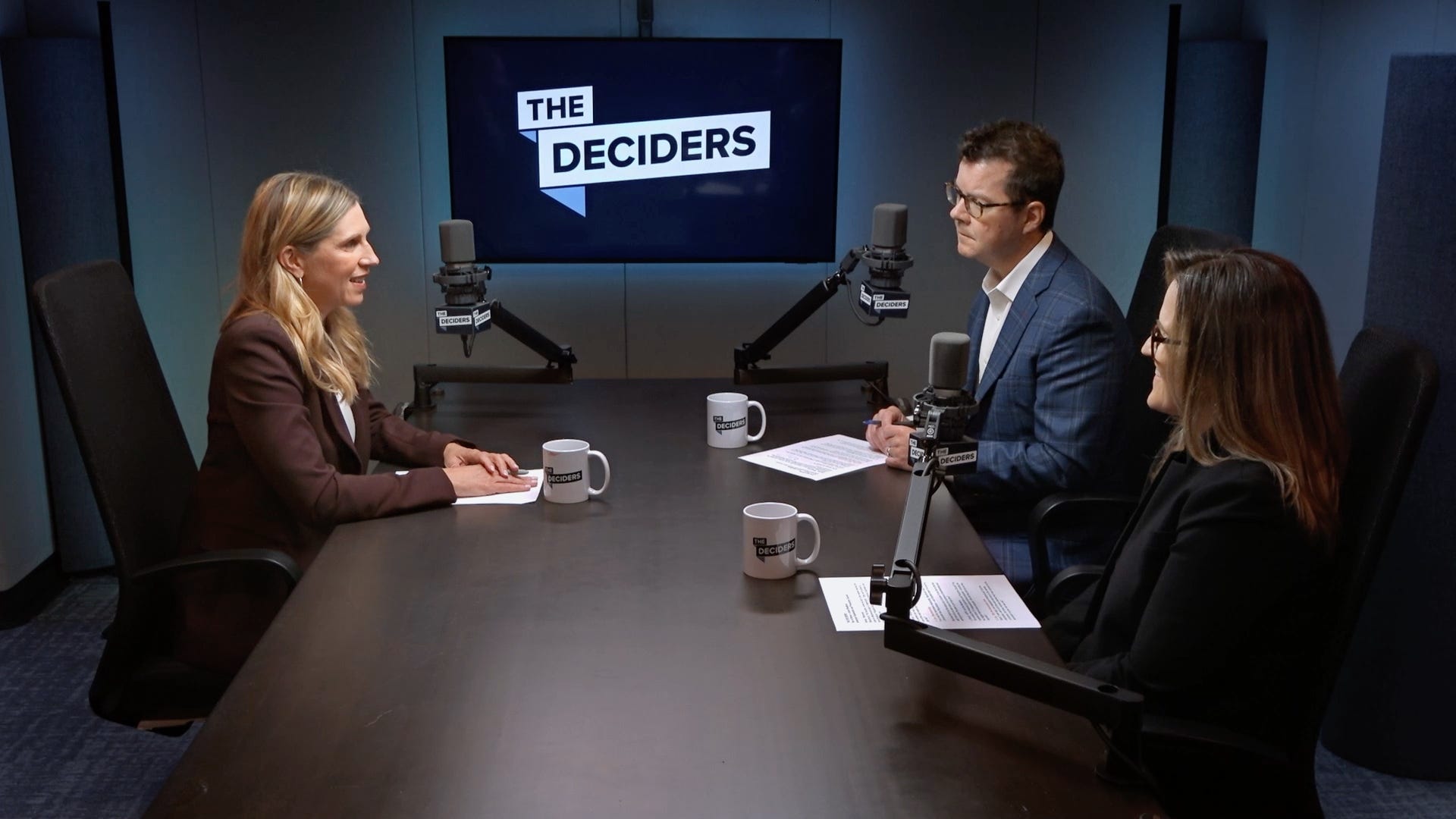
Now she runs the American Exploration and Production Council, the trade group for the independent producers responsible for most of America’s oil and natural gas, and the argument she’s making sounds almost nothing like what you’d expect from an industry with a friendly White House.
“There’s no pause button.”
Drill a well and most of its output comes in year one. Let regulation swing every time the White House changes hands, and you’re not protecting the industry from a hostile administration — you’re making it impossible to plan for any administration.
“Whoever can win the energy race is going to win the future.”
She means that as a warning as much as a boast: the alternative isn’t less American energy, it’s Russia and Iran filling the gap.
It would be easy to write that off as an industry talking its own book. Bradbury doesn’t sound like she’s talking a book. She sounds like someone who spent fifteen years learning that the real work in this town is the kind nobody covers — steady, structural, done in both directions across the aisle, one suspension-calendar vote at a time.
She built a career on things that don’t pause. Now she’s arguing her industry can’t either.